
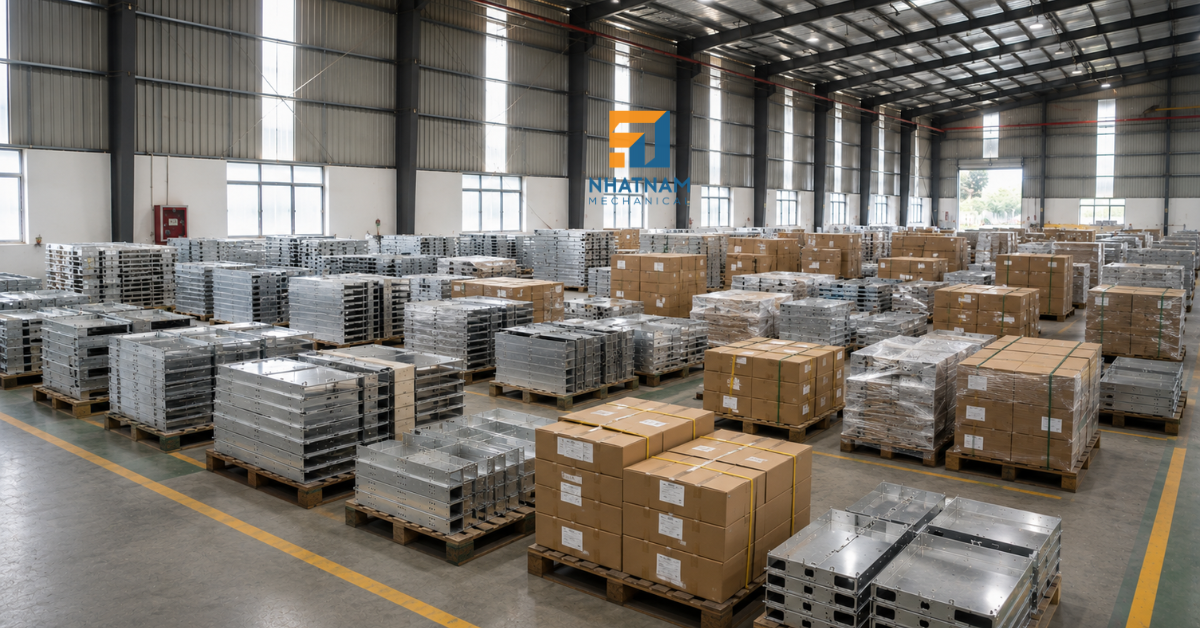
Transforming an idea into a finished product involves much more than simply turning a drawing into a metal part. In reality, many designs that perform well in the prototype stage or look perfect in CAD software often encounter unexpected challenges when moving into mass production.
These issues are not necessarily caused by poor design. Instead, they stem from the gap between concept and manufacturing reality, where factors such as materials, fabrication processes, machine capabilities, and production costs must all be considered. Failing to address these factors early can lead to repeated design revisions, longer development cycles, and higher manufacturing costs.
Below are several important considerations that can help ensure a smoother transition from concept to production.
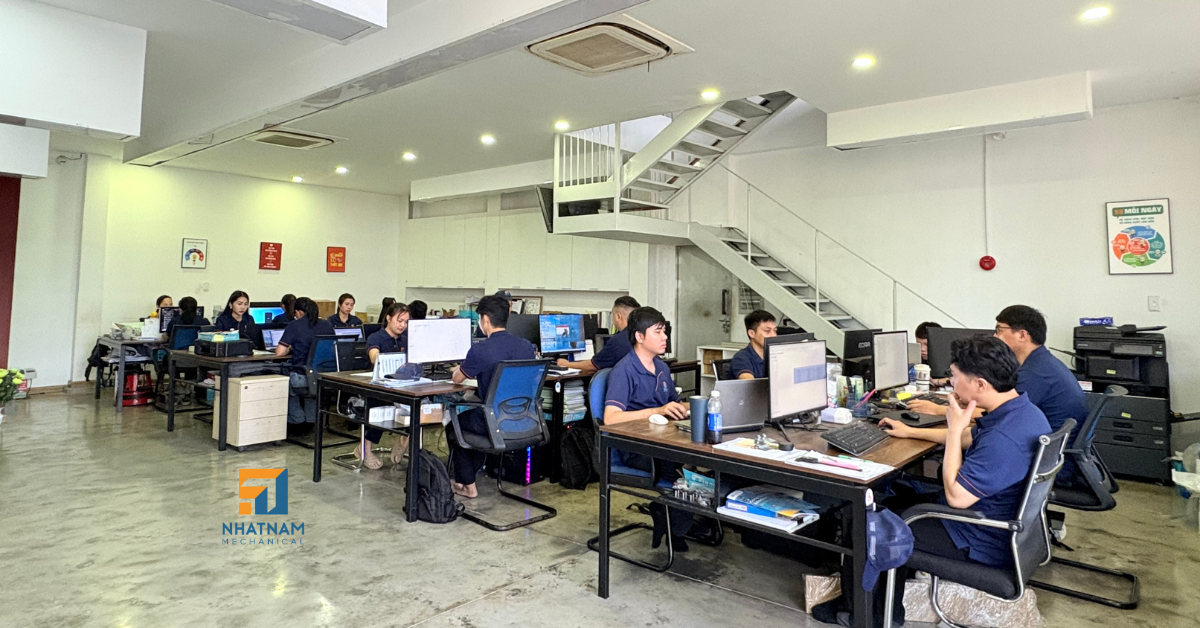
1. Design with Manufacturability in Mind
A successful product design should not only meet functional and aesthetic requirements but also be practical to manufacture.
In many cases, complex geometries or unnecessary manufacturing steps can increase production time, tooling requirements, and overall costs. These factors may also affect delivery schedules and production efficiency.
By considering manufacturability early in the design stage, companies can reduce processing steps, improve quality consistency, and make it easier to scale up for mass production.
2. Choose Materials Carefully
Material selection plays a critical role in product performance, durability, corrosion resistance, and manufacturing cost.
Different materials such as carbon steel, stainless steel, and aluminum require different cutting, bending, welding, and finishing processes. As a result, the same design may lead to very different production costs depending on the material used.
Working with an experienced manufacturer early in the development process can help identify the most suitable material based on performance requirements, manufacturability, and budget.
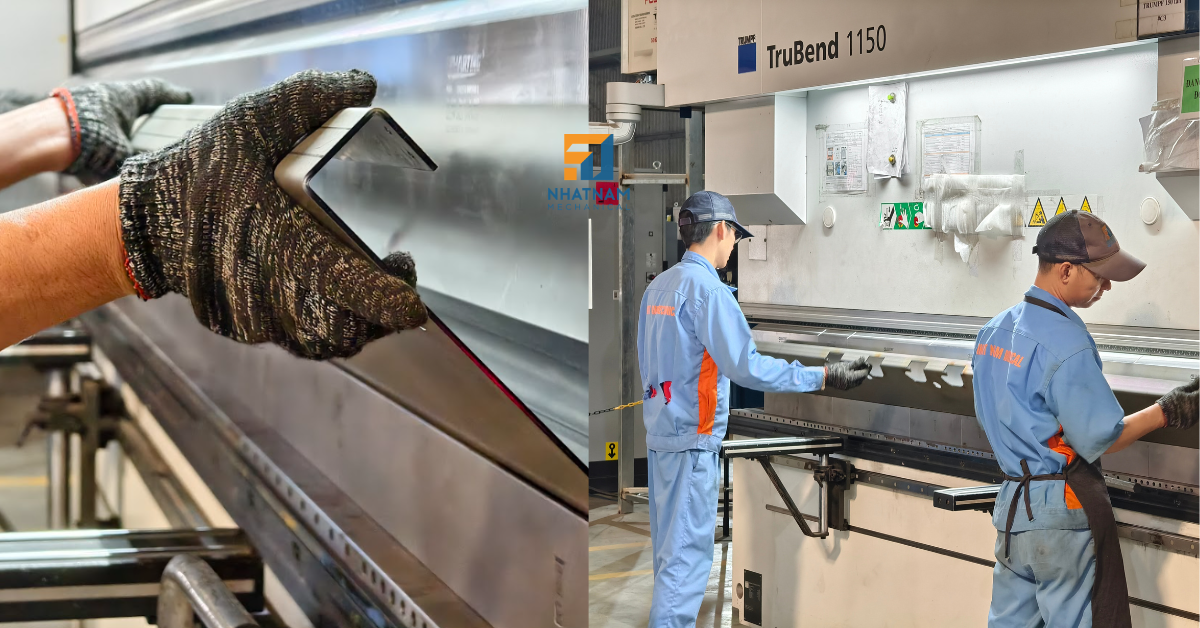
3. Define Tolerances Appropriately
No manufacturing process can achieve perfect accuracy. Applying extremely tight tolerances to every dimension can significantly increase production costs, inspection time, and scrap rates.
Instead, tighter tolerances should be reserved for critical features such as mating surfaces, locating holes, and areas that directly affect assembly or functionality.
This approach helps maintain product quality while keeping manufacturing costs under control.
4. Consider Ease of Assembly
A part that is easy to manufacture is not always easy to assemble.
Poor accessibility for tools, difficult fastener locations, and overly complicated structures can all increase assembly time and labor costs.
Applying Design for Assembly (DFA) principles can simplify the product structure, reduce the number of components, and improve overall production efficiency.
5. Take Surface Finishing into Account
Surface finishing is essential for improving appearance and corrosion resistance. However, its impact is often overlooked during the design stage.
Processes such as powder coating, galvanizing, and stainless steel polishing can affect dimensions and create limitations during final assembly.
Planning for surface treatment early in the design process helps minimize potential issues and ensures a better final product.
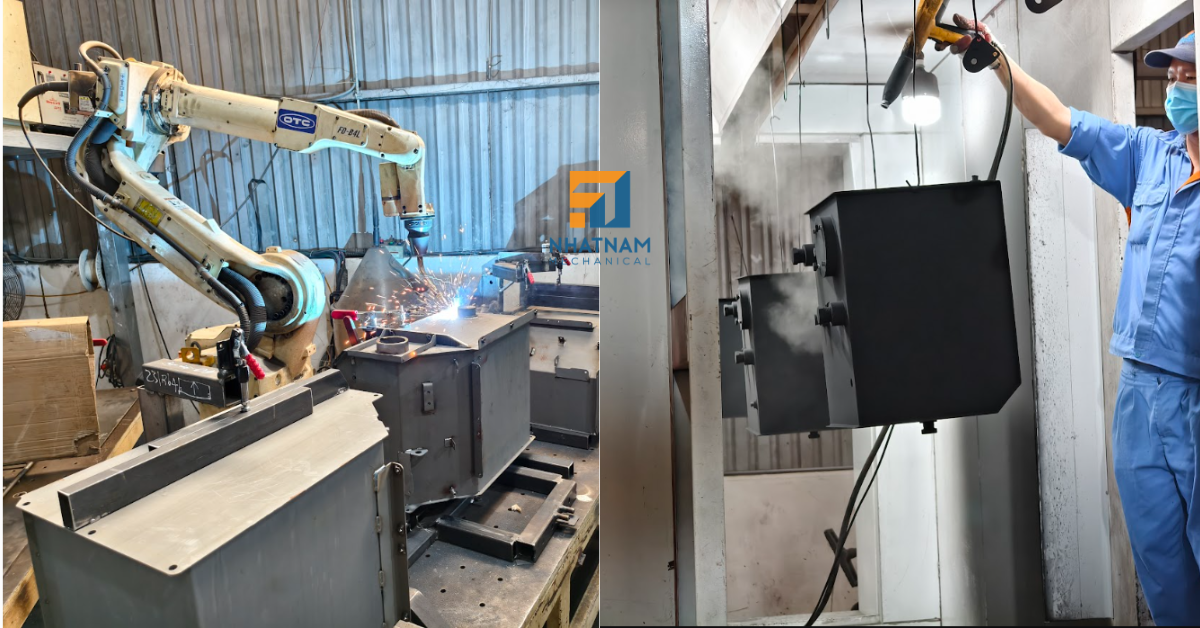
6. A Successful Prototype Does Not Guarantee Successful Mass Production
A prototype is an important milestone, but success at the prototype stage does not automatically translate into efficient mass production.
Prototype parts are often produced manually and can tolerate longer lead times. However, when production volumes increase, factors such as productivity, automation, cost, and process stability become far more important.
For this reason, many products require additional optimization before entering full-scale production.
7. Involve Your Manufacturing Partner Early
One of the most effective ways to reduce risks is to involve the manufacturer as early as possible.
With practical production experience, manufacturers can evaluate design feasibility, recommend suitable materials, and optimize processes to reduce costs and shorten development time.
This approach reflects the principles of Design for Manufacturing (DFM), which many companies use to improve efficiency and accelerate time-to-market.

Conclusion
Turning an idea into a successful product requires more than good design. It requires a balance between functionality, materials, manufacturing processes, and production capabilities.
Products that are optimized from the beginning not only reduce costs and improve quality but also ensure a smoother transition from prototype to mass production.
At Nhat Nam Mechanical, we support customers throughout the entire product development journey—from concept and prototyping to full-scale production. By combining engineering expertise with practical manufacturing experience, we help transform ideas into reliable and cost-effective products.