
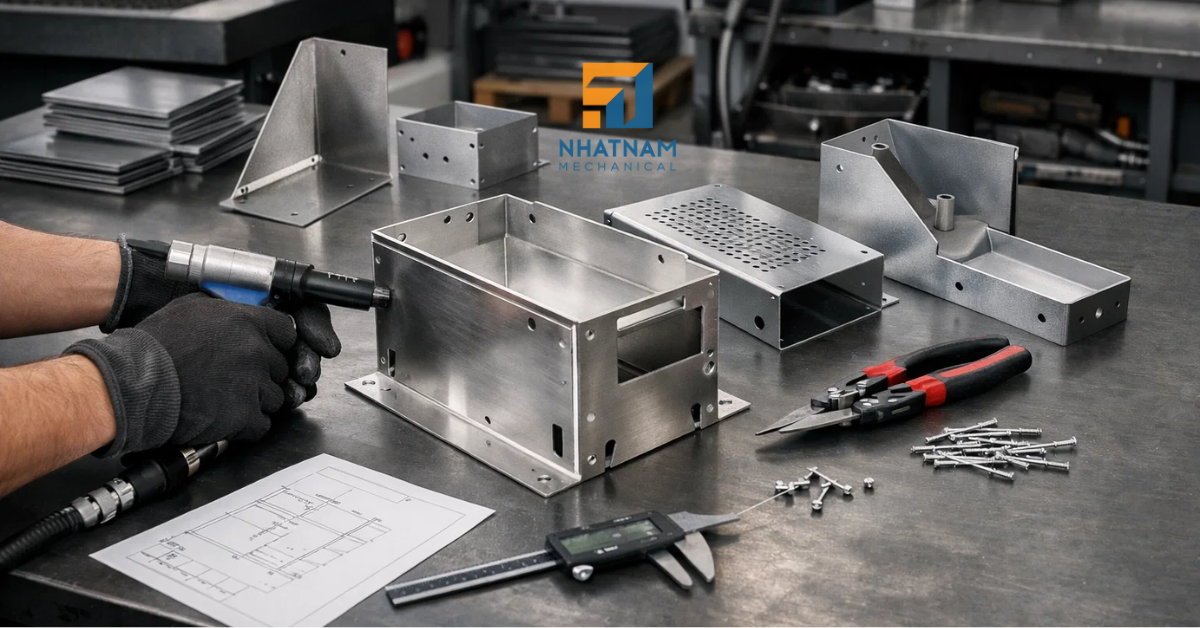
In industrial manufacturing, very few products can rely on readily available standard components. Each system, piece of equipment, and production line has its own specific requirements in terms of dimensions, structure, materials, and installation methods. Therefore, custom sheet metal fabrication becomes an essential solution, enabling businesses to create products that precisely match their intended use.
Custom Sheet Metal Fabrication Begins with Understanding the Requirements
An effective custom sheet metal fabrication project always starts with a clear understanding of:
The environment in which the product will be used
The required load-bearing capacity, durability, and level of precision
Whether the product needs to be assembled with other components
Whether the project involves small-batch production or long-term OEM manufacturing
This information directly influences design decisions, material selection, and fabrication methods. Manufacturing strictly according to drawings—without understanding the actual application—can lead to difficulties during assembly or operation in real-world conditions.
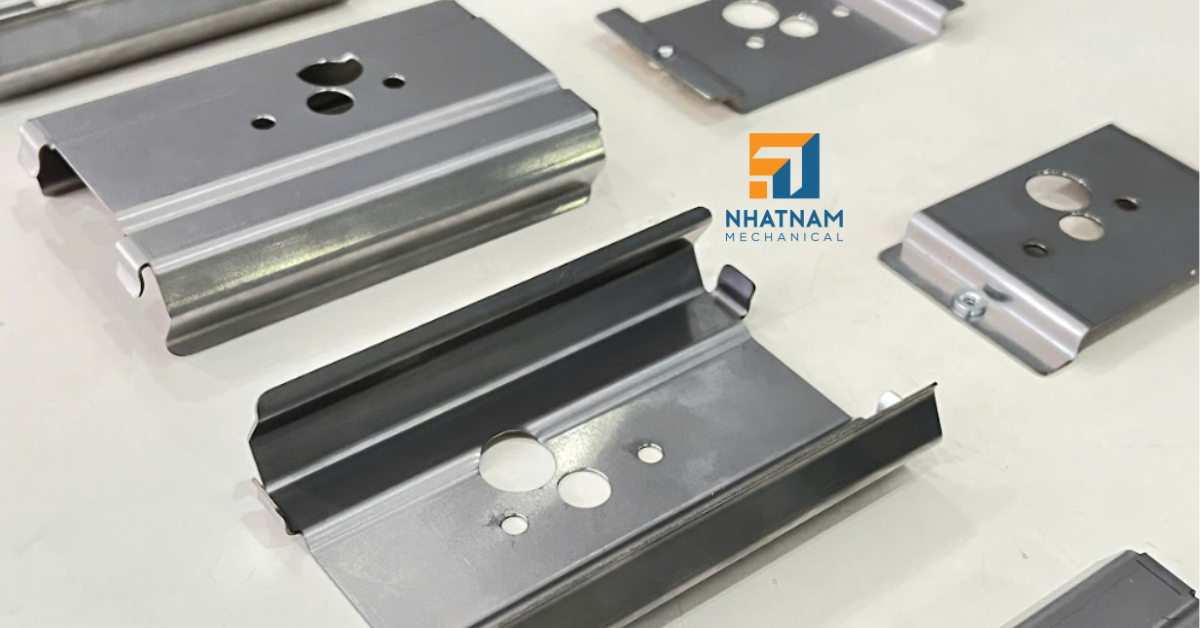
Optimizing the Design from the Early Stages
In custom sheet metal fabrication, the early stages of a project play a critical role. Early design review and optimization help to:
Reduce unnecessary complexity in part design
Minimize the risk of deviations during production
Improve tolerance control at critical dimensions
Optimize machining costs and overall lead time
This is one of the key differences between custom fabrication and standard mass production.
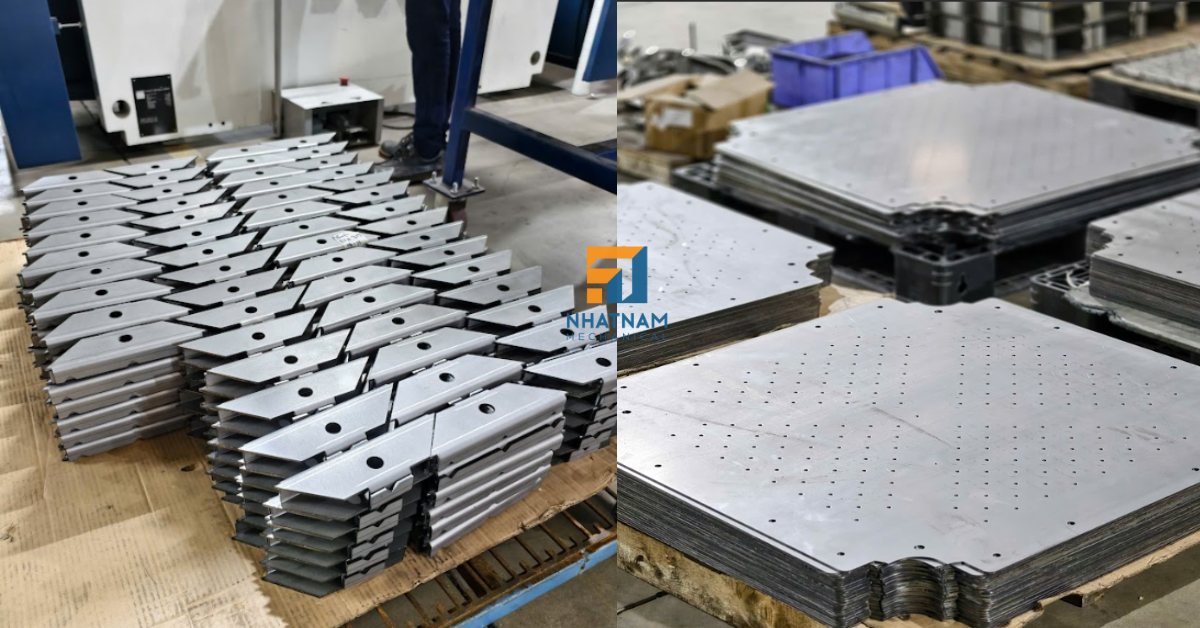
Adjusting the Fabrication Process for Each Product Type
Not all sheet metal products should be manufactured using the same process. In custom sheet metal fabrication, the production approach is flexibly adjusted based on:
Product structure (simple or complex)
Required level of precision
Production volume
Surface finish and aesthetic requirements
For example, components used in industrial equipment typically prioritize precision and consistency, while equipment enclosures require greater attention to surface quality and appearance.
Flexibility from Prototyping to OEM Production
One of the major advantages of custom sheet metal fabrication is its flexibility in supporting:
Prototype production for design validation
Small-batch production with multiple product variations
OEM projects with stable, long-term production requirements
This approach allows businesses to test, refine, and optimize their products step by step before scaling up to mass production.
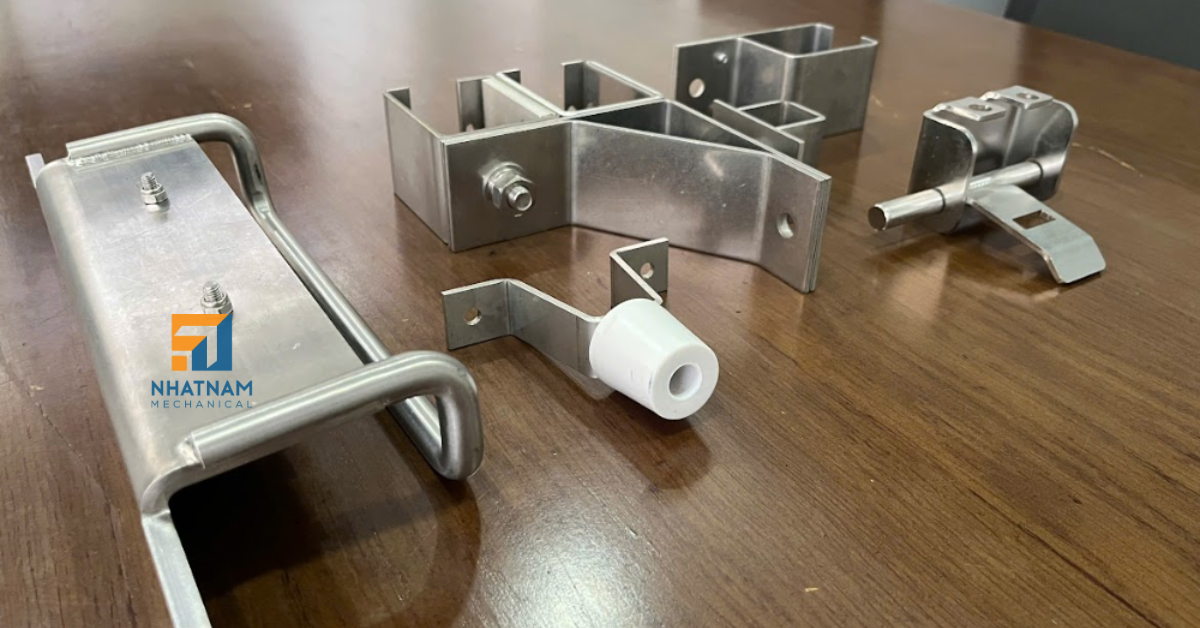
Quality Control Based on Specific Project Requirements
Rather than applying a single general inspection standard, custom sheet metal fabrication focuses on the most critical aspects of each project, such as:
Key assembly dimensions
Flatness, squareness, and overall uniformity
Surface finish levels based on the intended application
This quality control method ensures that the product performs as intended, not just that it meets visual or dimensional standards.
Suitable for Businesses Requiring Customized Solutions
Custom sheet metal fabrication is particularly well suited for:
Industrial equipment manufacturers
OEM and ODM projects
Export-oriented customers with strict quality requirements
Products with specific technical or structural demands
Choosing the right fabrication partner helps businesses obtain not only finished parts, but also a reliable and sustainable manufacturing solution.
Conclusion
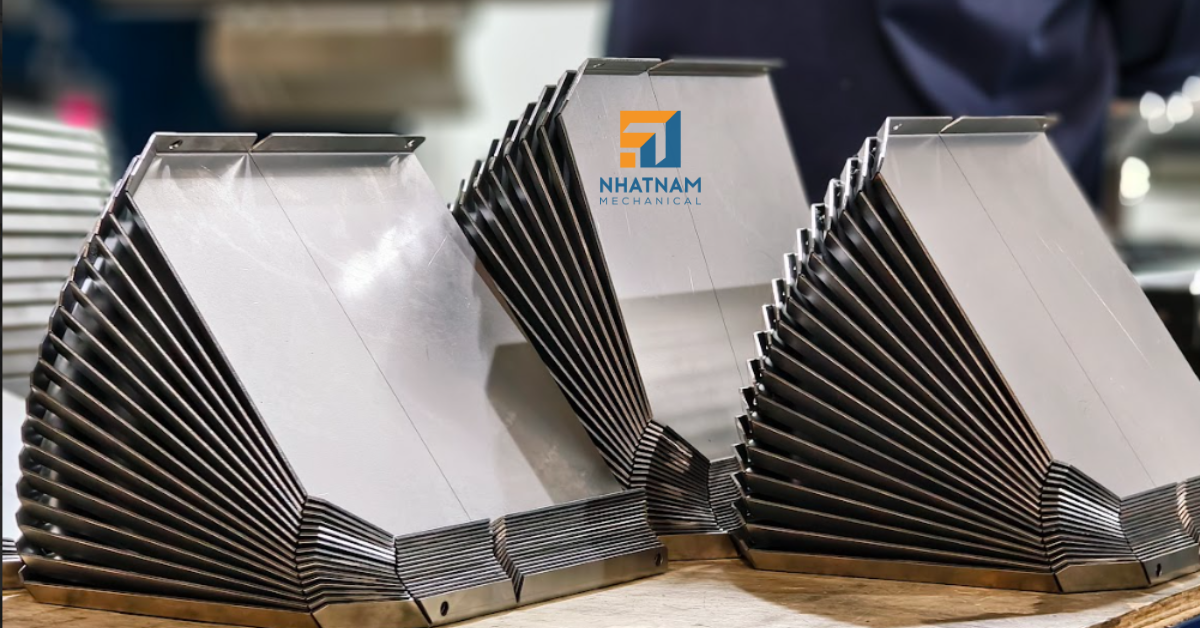
Custom sheet metal fabrication is a manufacturing approach centered on real-world technical requirements. Instead of applying rigid, one-size-fits-all processes, this method allows for tailored adjustments in design, materials, and fabrication techniques to suit each specific project. As a result, businesses can improve efficiency, control costs, and ensure long-term product quality.
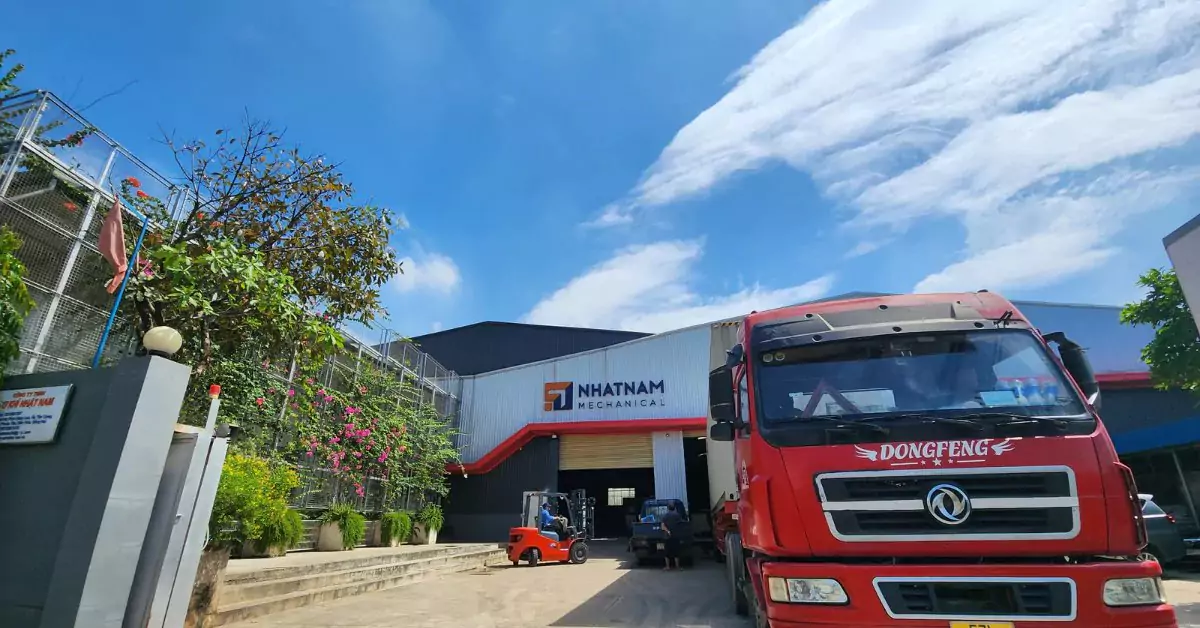
In Vietnam, Nhat Nam Mechanical Mechanical specializes in custom sheet metal fabrication, providing manufacturing solutions for metal components and assemblies based on technical drawings. With a stable production process and a team of experienced technicians, Nhat Nam supports projects ranging from prototype development to OEM production, ensuring consistent quality and on-time delivery.