
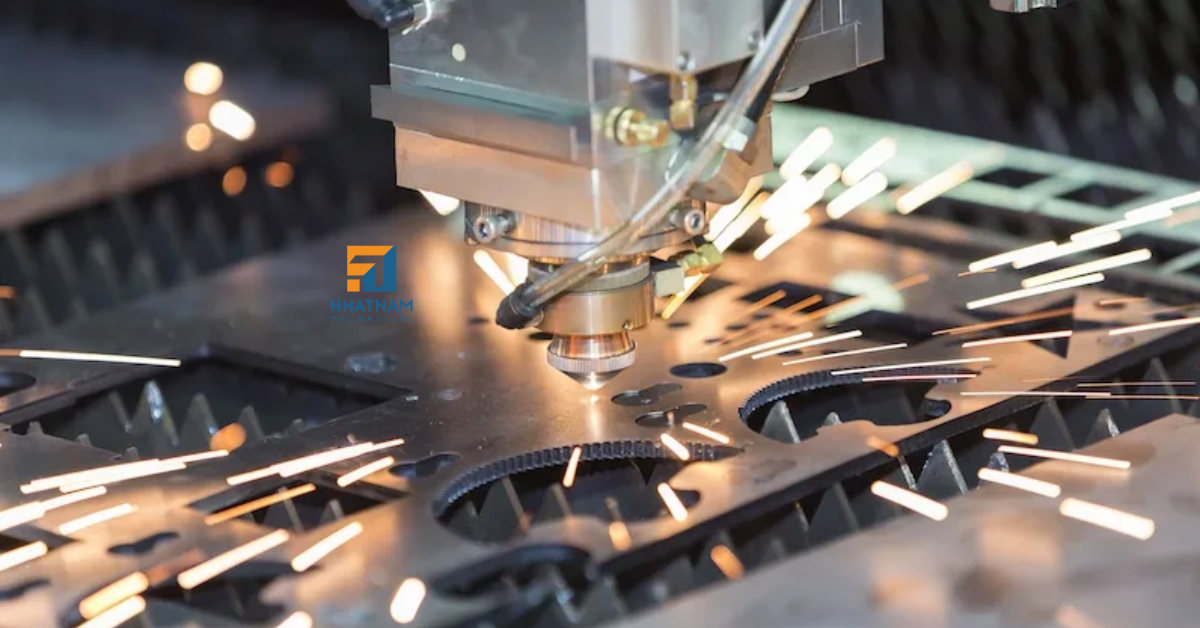
In the sheet metal fabrication industry, the two most common collaboration models between customers and manufacturers are OEM (Original Equipment Manufacturer) and ODM (Original Design Manufacturer).
Although both models involve the production of metal products, the design responsibility, level of customization, and ownership of the final product differ significantly. Understanding these differences helps businesses choose the manufacturing model that best fits their product strategy.
1. What is OEM in Sheet Metal Fabrication?
OEM (Original Equipment Manufacturer) is a production model in which the customer provides the product design or technical drawings, and the manufacturer performs the entire fabrication process according to those specifications.
In the sheet metal fabrication industry, OEM is commonly used for products that require custom designs and high technical precision.
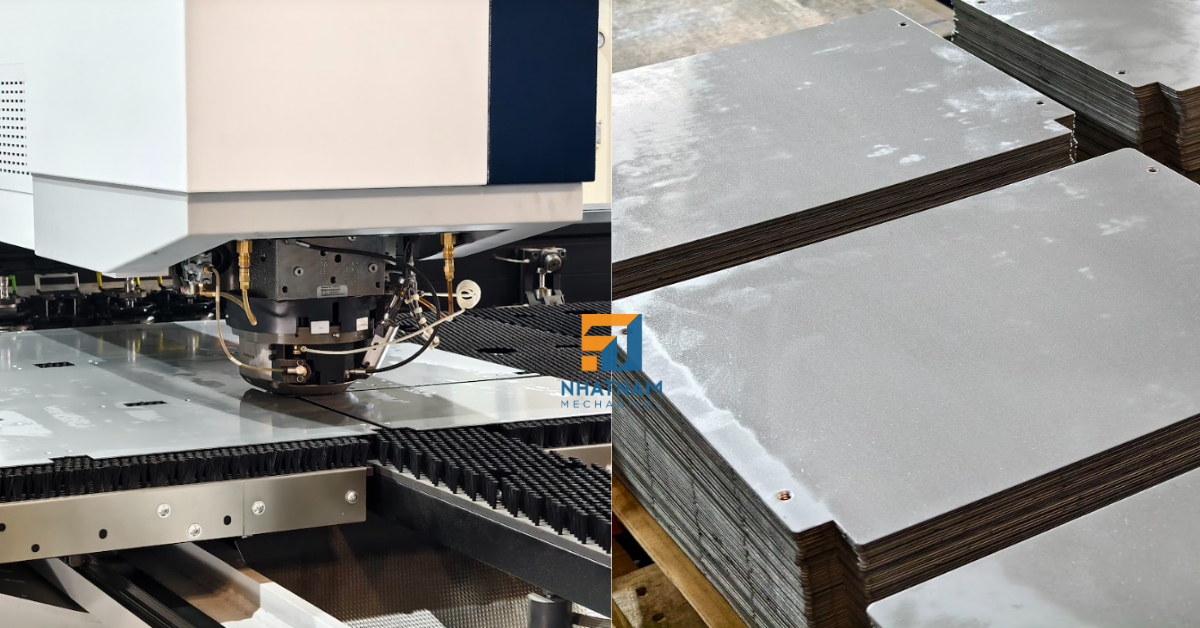
Typical OEM Process
The OEM manufacturing workflow usually includes the following steps:
- The customer provides 2D drawings or 3D CAD files.
- The manufacturer reviews the design for Design for Manufacturability (DFM).
- A prototype or sample part is produced for verification.
- After approval, mass production begins.
- The finished parts undergo quality inspection before delivery.
- Common OEM Sheet Metal Products
OEM sheet metal fabrication is widely used to produce components such as:
- Industrial equipment housings
- Electrical cabinets and control panels
- Industrial machine frames
- Metal brackets and mounting components
- Electronic equipment enclosures
- Components for automation systems
Because OEM manufacturing allows complete customization, it is widely used in industries such as:
- Industrial equipment manufacturing
- Automotive manufacturing
- Electrical and electronics industries
- Agricultural machinery
- Automation equipment
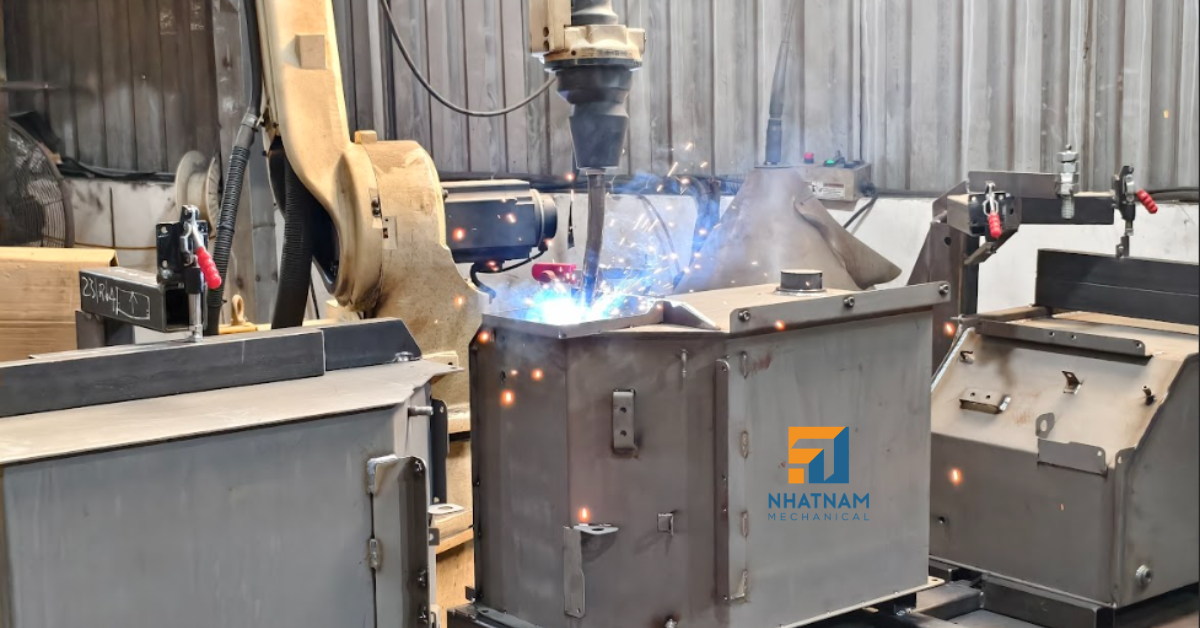
2. What is ODM in Sheet Metal Fabrication?
ODM (Original Design Manufacturer) is a model in which the manufacturer develops the product design and then produces and supplies the finished product to customers.
Customers can typically:
- Purchase products based on existing designs
- Request private labeling with their own brand
- Adjust minor parameters or specifications
- ODM Manufacturing Process
The typical ODM workflow includes:
- The manufacturer develops and designs the product.
- Prototypes are produced and tested.
- The manufacturer offers the product to multiple customers.
- Customers place orders under their own brand.
Examples of ODM Sheet Metal Products
Typical ODM products include:
- Standard rack cabinets
- Standard metal enclosures
- Standard metal frames
- Common metal accessories
ODM helps companies enter the market faster, since they do not need to invest significant time and resources in product design.
3. Detailed Comparison of OEM and ODM in Sheet Metal Manufacturing
| Criteria | OEM | ODM |
|---|---|---|
| Product Design | Provided by the customer | Developed by the manufacturer |
| Design Ownership | Owned by the customer | Owned by the manufacturer |
| Level of Customization | Very high | Limited |
| Suitable for | Proprietary technical products | Standardized products |
| Development Time | Longer | Faster |
| R&D Costs | Paid by the customer | Paid by the manufacturer |
| Confidentiality | High | Lower |
| Product Competitiveness | High | Medium |
In practice, OEM accounts for a large portion of the sheet metal fabrication industry, because most industrial products require custom designs and specifications.
4. Advantages of the OEM Model in Sheet Metal Manufacturing
The OEM model offers several advantages for companies developing their own products.
Complete Design Customization
Customers can create unique and proprietary products that meet specific technical and market requirements.
Better Quality Control
The design, materials, and manufacturing processes can all be controlled according to the customer’s standards and specifications.
Intellectual Property Protection
Since the design belongs to the customer, the risk of design duplication is significantly reduced compared to ODM manufacturing.
Optimized Production Costs
Companies can choose to manufacture their products in countries with competitive production costs while maintaining high quality standards.
5. When Should You Choose OEM Instead of ODM?
OEM manufacturing is the ideal choice when:
- You already have technical drawings or CAD designs
- The product requires high precision or specialized engineering
- You need custom metal components
- You want to develop your own branded products
For companies producing industrial equipment and machinery, OEM is often the standard manufacturing approach.
6. OEM Trends in the Sheet Metal Fabrication Industry
With the globalization of manufacturing, many companies around the world are increasingly cooperating with OEM manufacturers in Asia, especially in countries such as Vietnam.
The main reasons include:
- Competitive production costs
- Skilled technical workforce
- Modern manufacturing equipment
- Flexible production capacity
This allows companies to reduce production costs while maintaining product quality and reliability.
7. OEM Sheet Metal Fabrication Services at Nhat Nam Mechanical
Nhat Nam Mechanical is one of the companies in Vietnam specializing in OEM sheet metal fabrication services for both domestic and international customers.
With years of experience in sheet metal processing, the company provides precision metal component manufacturing solutions for a wide range of industries.
Production Capacity
Nhat Nam operates a modern manufacturing system that includes:
- Laser cutting machines
- CNC punching machines
- Sheet metal bending machines
- Welding and assembly systems
- Powder coating lines
Thanks to its integrated production process, the company is capable of handling projects ranging from small batch production to large-scale manufacturing.
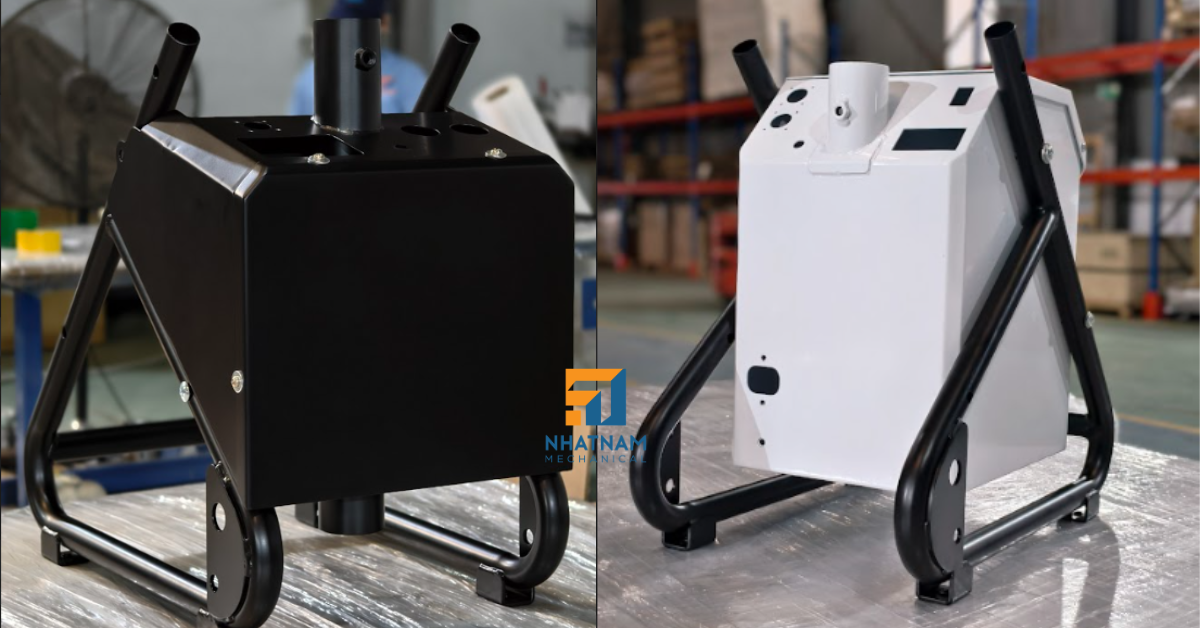
Typical OEM Products
Nhat Nam manufactures a wide range of sheet metal components based on customer drawings, including:
- Industrial machine frames and housings
- Electrical cabinets and control panels
- Metal brackets and mounting components
- Metal parts for automation equipment
- Sheet metal components used in furniture and industrial equipment